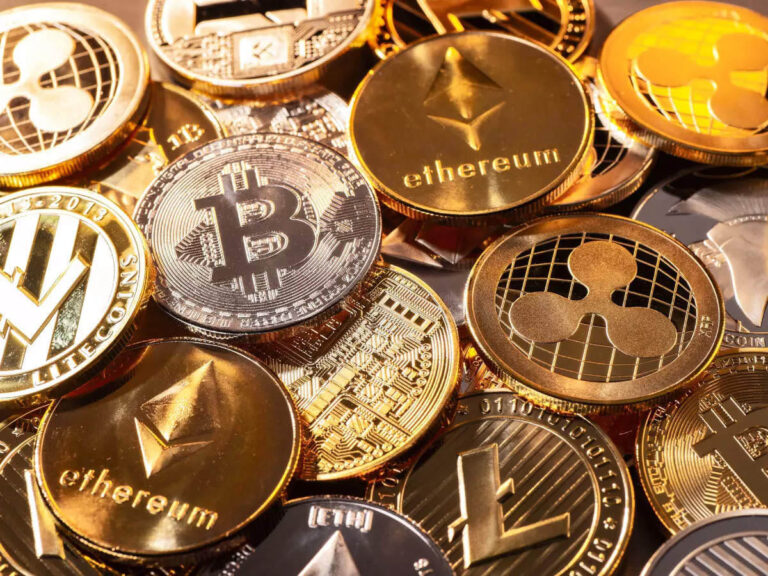
In brief: As of January 2024, US banks’ acceptance of Ripple (XRP) was a pivotal focus, with the outcome of legal disputes with the U.S. Securities and Exchange Commission seen as a key factor in whether XRP could become viable for US financial institutions. Integration with major US banks would mark a significant milestone, potentially transforming cross-border payments by making them faster and more cost-effective. XRP’s possible role as a bridge currency could also drive increased demand and liquidity.
Ripple (XRP) has been a prominent player in the cryptocurrency space, particularly in the context of revolutionizing cross-border payments. As we step into the year 2024, one of the most anticipated developments for Ripple is its acceptance by US banks. This article will provide insights into what to expect with Ripple in 2024, with a particular focus on the potential adoption of XRP by US financial institutions.
1. Regulation and Compliance
Regulatory clarity remains a critical factor in Ripple’s future, especially in the United States. Recent legal challenges from the U.S. Securities and Exchange Commission (SEC) have clouded XRP’s status. In 2024, the resolution of these legal disputes may determine whether XRP becomes a viable option for US banks. Expect regulatory updates that could either facilitate Ripple’s growth or require it to adapt to comply with regulations.
2. Integration with US Banks
One of the most significant developments to watch for in 2024 is the extent to which US banks embrace Ripple’s technology and XRP. Ripple’s core mission is to provide fast and cost-effective cross-border payment solutions to financial institutions. Integration with major US banks would be a significant milestone for Ripple, as it could potentially transform how cross-border transactions are conducted within the country.
3. XRP as a Bridge Currency
In the context of US banks, XRP’s role as a bridge currency for cross-border transactions could become more pronounced. If US banks start using XRP as a bridge currency, it could lead to increased demand and liquidity for XRP, potentially affecting its price and utility.
4. Enhanced Cross-Border Payments
With the adoption of Ripple’s technology, US banks could provide their customers with faster and more cost-effective cross-border payment solutions. This, in turn, would improve the overall efficiency of international money transfers, making it a more attractive option for individuals and businesses alike.
5. Market Sentiment and XRP’s Price
XRP’s price performance will continue to be closely watched in 2024. US banks’ acceptance of XRP could have a significant impact on market sentiment. Positive news regarding adoption could potentially drive up demand for XRP, affecting its price in a positive way.
6. Global Expansion
While the focus is on US banks, Ripple’s global expansion efforts will also be a key factor to consider. Expanding its network of partners and financial institutions worldwide will be crucial for Ripple’s long-term success and could complement its adoption in the US.
7. Challenges and Competition
Challenges and competition are inevitable in the cryptocurrency space. Ripple will need to address challenges such as regulatory hurdles and competition from other blockchain solutions. Its ability to innovate and adapt will be essential in maintaining its position in the market.
Conclusion
In 2024, all eyes are on the potential acceptance of Ripple (XRP) by US banks. Regulatory developments, integration with financial institutions, XRP’s role as a bridge currency, and the overall impact on cross-border payments will shape Ripple’s journey. While this focus on the US market is significant, Ripple’s global expansion and its ability to navigate challenges and competition will also play pivotal roles in its success. The year ahead promises to be an exciting one for Ripple enthusiasts and investors.
Key questions
Why does the SEC lawsuit matter for Ripple XRP adoption by US banks?
Resolution of the U.S. Securities and Exchange Commission’s legal challenge against Ripple could determine whether XRP is considered a viable option for US financial institutions.
How could US banks use XRP in cross-border payments?
US banks could use XRP as a bridge currency for cross-border transactions, potentially increasing demand and liquidity for XRP while offering faster, more cost-effective international transfers.
What challenges did Ripple face in 2024?
Ripple faced regulatory hurdles, ongoing SEC legal disputes, and competition from other blockchain payment solutions, requiring continued innovation to maintain its market position.